
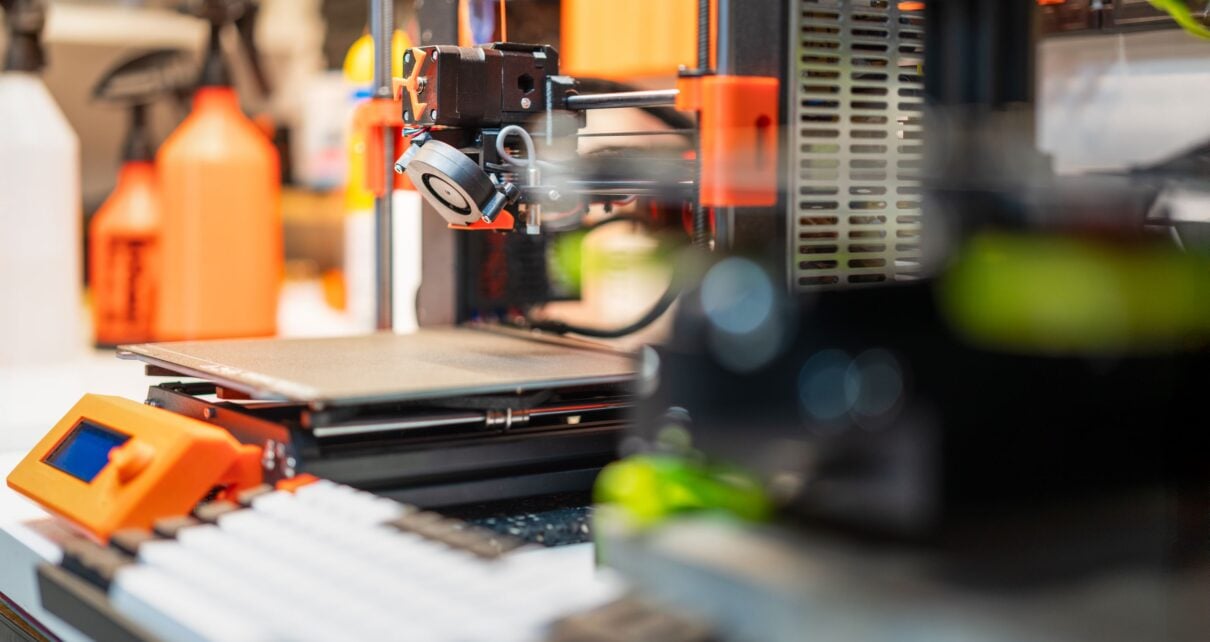
An inventor in the Twin Cities who needs a part made rarely has to look far. The Minneapolis and St. Paul metro holds one of the deeper concentrations of machine shops, injection molders, sheet-metal fabricators, and rapid-prototyping shops in the upper Midwest. That local supply chain is the practical reason so many products get built here, and it is worth understanding before you assume a prototype has to come from overseas.
Why the shops cluster here
The concentration traces back to the region’s manufacturing history. Decades of work supplying large product companies, from medical device makers to agricultural equipment firms, created steady demand for precision machining and tooling. When those anchor companies grew, their suppliers grew with them, and many of those suppliers still take small jobs from independent inventors between larger contracts.
The Small Business Administration, which tracks the small firms that make up most of American manufacturing at sba.gov, has long noted that supplier density matters more to a new product than almost any single vendor. A shop three suburbs away can turn a part around in days, answer the phone, and let you inspect the result in person. A distant vendor cannot.
The types of shops an inventor meets
A first-time inventor usually encounters four kinds of local vendor. Rapid-prototyping shops run 3D printers and turn a digital model into a physical part within a week. Machine shops cut metal and rigid plastic on lathes and mills for parts that a printer cannot make well. Injection molders handle production runs once a design is final and tooling is paid for. Sheet-metal fabricators bend and weld enclosures and brackets.
Knowing which shop you need depends on knowing what stage you are at, and that is where many inventors stumble. Sending a rough idea to an injection molder wastes money, because molding tooling is the most expensive step and should come last.
The digital step that comes first
Before any shop can quote a job, it needs a design it can read. That means a CAD model and, ideally, renderings that show what the finished product should look like. This is the part of the process that has changed most in the last decade. Much of what used to require a hand-built model can now be settled on screen, which saves the cost of machining a part that was never going to be right.
Enhance Innovations, a Champlin firm founded in 2010, works this way by design. It produces a virtual prototype package first, meaning photorealistic renderings, a CAD model, and optional product animation, and only coordinates a physical build when a specific project needs one. That order of operations, digital first and physical only when justified, is what keeps a local shop from becoming an expensive guessing game.
How to approach a local shop
Three practices make the relationship work. Bring a clear digital file, because a shop quotes faster and more accurately from CAD than from a napkin sketch. Ask about minimums, since some shops will not take a single prototype and others specialize in exactly that. And protect the idea before you share it. A short nondisclosure agreement before the first detailed conversation is routine, and reputable shops sign them without friction.
A realistic first project with a local shop
Picture a simple plastic product. A sensible sequence starts with a CAD model and renderings that fix the shape and function on screen. Only then does a rapid-prototyping shop print a first physical part, which the inventor holds, tests, and marks up. A machine shop might cut a more durable version for real-use testing. Injection molding, the costly step that requires tooling, waits until the design has stopped changing. Run in that order, the local supply chain becomes a sequence of small, correctable steps instead of one large bet.
The mistake to avoid is paying for tooling before the design is settled. Tooling is the single largest prototyping expense, and a change after the mold is cut can mean paying for a new one. Local shops, because you can talk to them directly, make it easier to confirm a design is ready before that money is spent. Proximity is not just convenient. It is a form of risk control.
The regional advantage, stated plainly
The upper Midwest gives an inventor something that is hard to price: proximity. A part made forty minutes away can be inspected, corrected, and remade in the same week. The United States Patent and Trademark Office, at uspto.gov, records where patents originate, and the Twin Cities consistently appears among the more active metros for its size. The prototype supply chain is a large part of the reason. Ideas here can become objects quickly, and objects can become corrected designs before the money runs out.
Educational content only, not legal or financial advice. Confirm shop capabilities and current pricing directly with vendors and do your own research.


