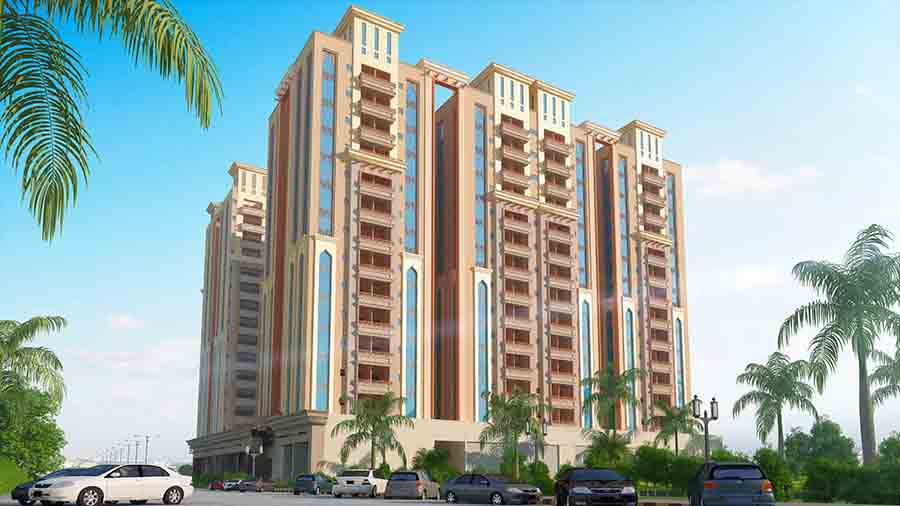
Pakistan’s real estate sector has always attracted attention, but the conversation around insignia properties is starting to reflect a broader shift in how people think about property investment. Buyers are no longer just chasing quick gains. They are asking better questions about value, legality, and long-term stability.
This shift is happening at a time when inflation, currency pressure, and changing regulations are forcing investors to be more careful. Property is still seen as a relatively safe asset, but it is no longer a guaranteed win. Understanding how the market works today matters more than ever.
Why insignia properties Reflect a Changing Buyer Mindset
Real estate used to be driven by speculation. People bought plots based on rumors of development or future infrastructure. That still happens, but it is not the only game in town anymore.
Today’s buyers are paying closer attention to documentation, developer credibility, and actual usability. This is where projects associated with insignia properties stand out in conversations. They are often discussed in the context of planned development rather than uncertain expansion.
The Shift from Plots to Livable Spaces
In cities like Karachi, Lahore, and Islamabad, there is growing demand for ready-to-move or near-completion projects. Investors are realizing that holding undeveloped land for years ties up capital without guaranteed returns.
Apartments, mixed-use developments, and gated communities are gaining traction. These offer:
- Immediate rental income potential
- Better infrastructure and utilities
- Defined timelines for completion
This trend reflects a more mature market. Buyers want assets that generate value, not just promises.
Documentation and Transparency Matter More Now
The days of ignoring paperwork are fading. With increased scrutiny from authorities like FBR and stricter banking channels, undocumented transactions are becoming harder.
Projects linked with reliable platforms such as insignia properties often gain attention because buyers associate them with structured processes and clearer documentation. Whether that perception always holds depends on the specific project, but the expectation itself shows how buyer priorities have changed.
Key Factors Driving Real Estate Decisions in Pakistan
Understanding the current market requires looking beyond property listings. Several economic and regulatory factors are shaping how people invest.
Inflation and Currency Pressure
Pakistan has faced high inflation in recent years, with rates crossing 20 percent during peak periods. In such conditions, property becomes a hedge against currency devaluation.
However, rising construction costs also push property prices higher. Cement, steel, and labor have all become more expensive. This means buyers need to balance the desire to invest with realistic expectations about returns.
Government Policies and Taxation
Tax reforms have played a significant role in reshaping the market. Measures aimed at documenting the economy have made it harder to park undeclared money in real estate.
Capital gains tax, property valuation tables, and transaction tracking have all added layers of accountability. While some investors see this as a hurdle, others view it as a step toward a more stable and transparent market.
Urbanization and Population Growth
Pakistan’s urban population continues to grow rapidly. Cities are expanding, and the demand for housing is increasing accordingly.
This creates opportunities, but also pressure. Poorly planned developments struggle to keep up with infrastructure needs, while well-planned projects attract long-term buyers. The distinction between the two is becoming more obvious.
Risks Buyers Often Overlook
Even experienced investors can make mistakes when the market feels active. Some risks are easy to ignore until they become costly.
Overestimating Future Development
One of the most common pitfalls is assuming that every new project will develop as promised. Delays, legal disputes, and funding issues can stall projects for years.
Buyers should always verify:
- Approval status from local authorities
- Developer track record
- Availability of basic utilities
A glossy brochure is not enough.
Ignoring Liquidity Challenges
Real estate is not a liquid asset. Selling property quickly can be difficult, especially in a slow market.
Investors who put all their capital into property may find themselves stuck if they need cash urgently. Diversification is often overlooked but remains important.
Unrealistic Rental Expectations
Rental income is often cited as a key benefit, but not all properties generate strong returns. Location, property type, and market demand all play a role.
Apartments in well-connected areas tend to perform better than isolated developments. Buyers should research actual rental trends rather than relying on projections.
How Smart Investors Are Approaching insignia properties Today
The conversation around insignia properties is increasingly tied to strategy rather than hype. Investors are taking a more measured approach.
Looking at Long-Term Value
Short-term flipping still exists, but many buyers are focusing on long-term appreciation. This includes:
- Proximity to commercial hubs
- Access to transport and infrastructure
- Quality of construction and maintenance
These factors determine whether a property holds value over time.
Evaluating Developer Credibility
Reputation matters more than ever. Investors are researching developers, checking past projects, and speaking with existing buyers.
This level of due diligence was less common in the past. Now, it is becoming standard practice.
Balancing Risk Across Property Types
Instead of putting all funds into a single plot or project, some investors are spreading risk. They may combine:
- Residential units for rental income
- Commercial spaces for higher returns
- Smaller plots for potential appreciation
This approach reduces exposure to any one segment of the market.
The Road Ahead for Pakistan’s Real Estate Market
The market is not slowing down, but it is evolving. Speculation is giving way to more informed decision-making.
Digital platforms, better access to information, and increased regulation are all contributing to this shift. Buyers are becoming more cautious, but also more confident in their choices when they do invest.
For those exploring insignia properties, the key is to approach them with the same level of scrutiny as any other investment. Location, documentation, and developer credibility should always come first.
Final Thoughts
Real estate in Pakistan still offers strong opportunities, but it rewards those who take the time to understand the landscape. The days of easy profits based on guesswork are fading.
Projects associated with insignia properties are part of a broader conversation about quality and reliability. Whether they deliver on expectations depends on the details, not just the name.
For buyers, the smartest move is simple. Ask questions, verify claims, and think beyond short-term gains. That approach tends to hold up, no matter how the market shifts.