
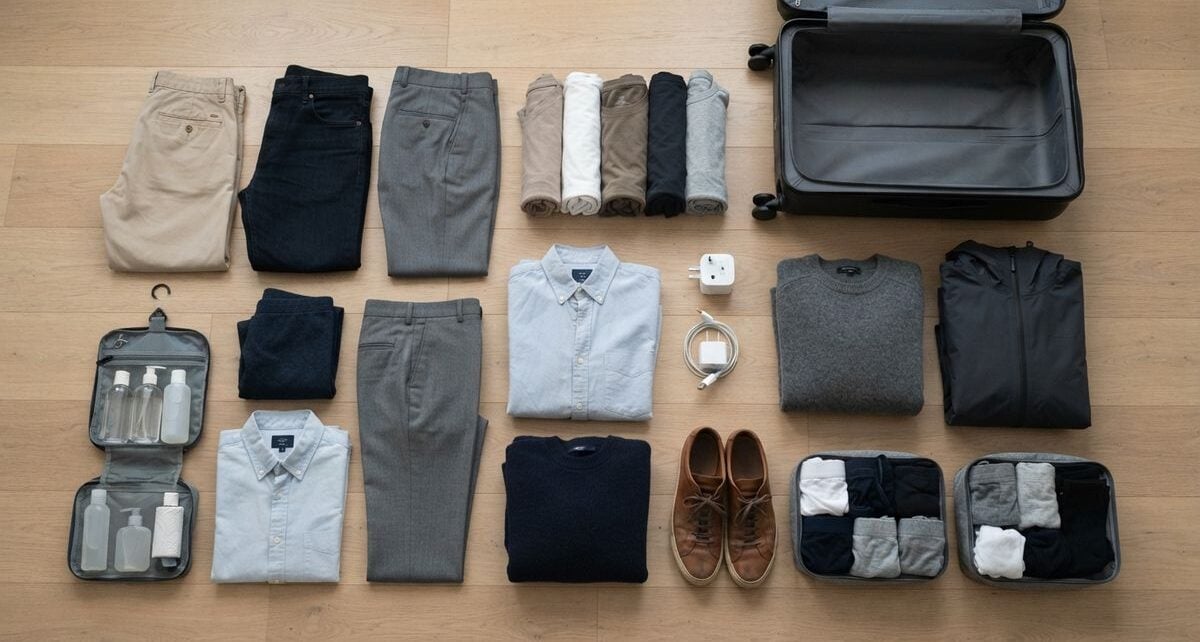
Your first business trip as a team lead often arrives sooner than you expect. Perhaps you are visiting a partner office, joining a client review, or attending a regional planning day with your manager. The natural instinct is to pack for every possible situation, and the result is a heavy bag that slows you down at every station and gate. Packing light is not about owning fewer things for its own sake. It is about bringing what you need to be clear, calm, and present for the people you are meeting. This article gives a practical approach that works for most short business trips.
Start with the purpose of the trip
Before you open a suitcase or a travel bag, write down what the trip is for in one or two sentences. Readers may also want to visit Small Business Loans Direct. Are you presenting, listening, negotiating, or simply showing up for a team that is far away? Each purpose needs different items. A presentation may require printed notes and a backup copy of your slides saved somewhere safe. A listening trip may need almost nothing except a notebook and a comfortable pair of shoes for walking between buildings. When the purpose is clear, many items on your mental packing list will simply disappear.
Ask your manager or a colleague who has travelled to the same place what they usually bring. You are not looking for a perfect list, only a sense of what is normal. Most people are glad to share practical advice, and it can prevent the classic mistake of bringing formal clothes for a casual site visit.
Choose clothes that work together
Clothing is where most people overpack. Choose a small set of outfits that mix and match, rather than a separate outfit for each meeting. Pick two or three pieces that are comfortable for long days, and wear your most formal item on the way. Include one layer for cooler rooms, since office and conference spaces are often colder than people expect. Check the weather and the dress expectations for the location, and remember that a new team lead is usually judged more on attentiveness than on the cut of a jacket.
Shoes deserve special attention. You may spend long hours on your feet or walking between buildings, so bring a pair you have already broken in. Avoid buying something new just before the trip, because blisters can change the whole mood of a visit.
A short packing checklist for clothes:
- Two or three outfits that mix and match
- One layer for cooler meeting rooms
- Comfortable shoes you have already worn
- Identification and medication in a separate pocket
Pack only the tech you truly use
Electronics are another source of overpacking. Bring your phone, a single charger, and one spare battery pack only if you know you will be away from power for long stretches. A small adapter may be useful, although many modern chargers work across regions. Leave behind the second laptop, the spare cables you have never used, and the accessories you have been meaning to test. Keep your important documents in a secure digital form and a printed backup in case the network fails during a meeting. You can also visit businesshotel-navi.com for more reading.
Also check your access to shared files before you go. Make sure you can open the documents you need from your phone or a light laptop, and that any passwords are stored in the approved way your organisation uses.
A simple packing routine that saves time
Build a standard packing list once, then keep it saved for future trips. Include the basics you always need, such as medication, identification, a notebook, and a travel charger. Add the trip-specific items underneath. Pack the day before, not the morning of, and weigh your bag if the airline or train operator sets a limit. For a related read on this site, see Planning a Honeymoon Itinerary Around Weather and Local. On arrival, unpack the essentials immediately so that you are not searching for a charger at midnight. Many experienced travellers also keep a small pouch of toiletries and spare socks inside the bag, so that a missed connection does not mean a difficult next day.
Consider leaving a little space in the bag for materials you will collect along the way. Team members may hand you notes, samples, or small gifts, and an overstuffed bag makes the return journey uncomfortable. Packing light gives you room to say yes to those moments.
Packing light is ultimately about freedom. When you can move easily between meetings, walk to a train without worry, and keep your attention on the people in front of you, the trip becomes a real opportunity to lead. Your first business trip will teach you a great deal, and a lighter bag will make it easier to learn.


