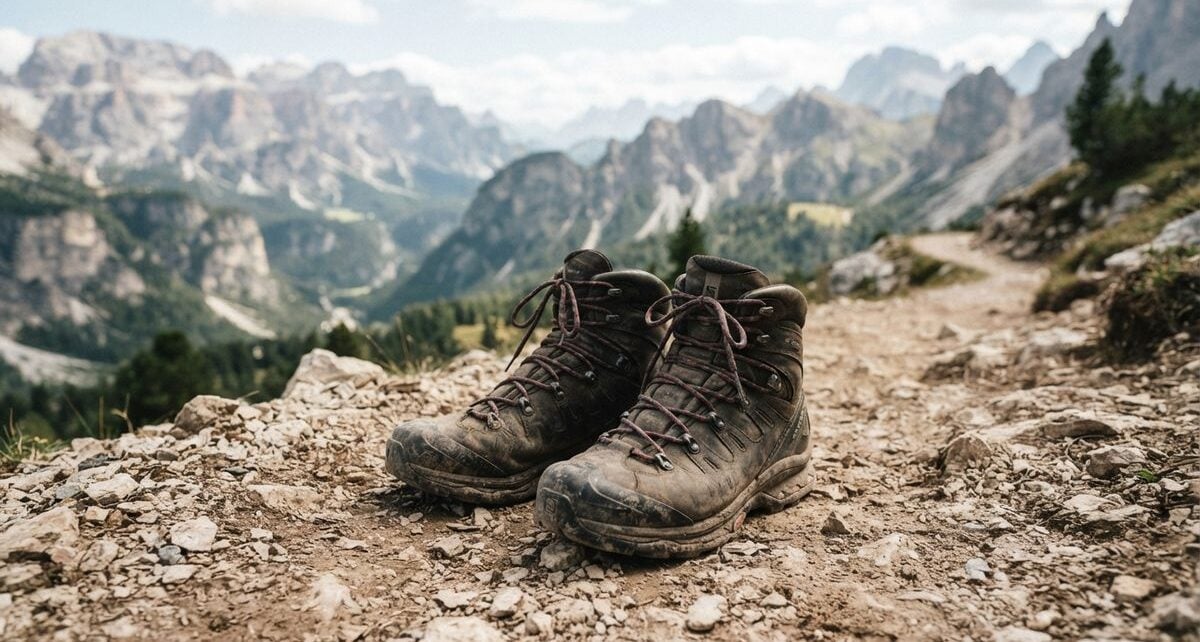
A screen-free hiking weekend can be one of the most restorative trips a person takes. Without constant updates, the walk becomes a steady rhythm of breath, footsteps, and changing views. Still, planning such a weekend requires some thought. Without a phone for navigation or messages, small errors can become more serious. This article describes the most common mistakes people make on a screen-free hike and explains how to prepare sensibly for a weekend that stays off the grid.
Ignoring the route before leaving
The first mistake is setting out without a clear idea of the route. A screen-free trip still needs a plan, and that plan should be written down. Note the start point, the main turning points, the expected finish time, and a backup route in case of bad weather. Give a copy to someone who is not joining the walk, so they know where you expect to be.
Consider the length of the day honestly. Many walkers underestimate how long a route takes, especially when there are steep sections or frequent photo stops. Allow more time than you think you need, and plan a shorter option for the second day if energy runs low.
Relying on a single navigation method
Another mistake is carrying only one way to find your position. A paper map, a compass, and a basic understanding of how to read contour lines give you several options if one fails. Practise using these tools before the trip, ideally on a familiar local path, so that using them feels natural when the weather turns. Readers may also want to visit biz-kubo.net.
You can also visit blogsup.net for more reading. Learning these skills at home is much safer than trying to learn them on a steep slope.
Packing too lightly or too heavily
Packing is a balance. A pack that is too light may leave you without waterproof layers or a first aid kit. A pack that is too heavy strains the back and knees and turns each climb into a struggle. Include a warm layer, a rain jacket, spare socks, a small first aid kit, a whistle, and enough water for the expected route. Test the pack on a short walk before you set out on the main trip.
Remember that food matters. Plan simple, filling meals that do not need much preparation. Carry more than you think you will eat, because cold weather and steep terrain increase hunger.
Underestimating the weather
Weather can change quickly on hills and in open country, and forecasts may not capture local conditions. Check the forecast before you leave, and be willing to change the route if conditions worsen. Wet rock, fog, and strong wind all make a walk more demanding. Turning back early is a sensible decision and should never be treated as a failure. For a related read on this site, see Packing Light for a First Business Trip as.
If you have a medical condition, a long walk or high altitude may need extra care. Speak with a qualified health professional before a demanding trip, and carry any necessary medication in an accessible place.
Forgetting the emergency plan
Without a phone for updates, you need a clear plan for emergencies. Agree on a time by which you will check in with the person waiting at home, and explain what they should do if you do not arrive. Carry a whistle and learn the standard emergency signal. If you are walking in a remote area, consider a local guide or a group walk with experienced members.
Be honest about your limits. A screen-free weekend does not mean ignoring safety. It means preparing so thoroughly that the phone is unnecessary for everyday decisions.
Mistakes to avoid on the trail
- Setting off later than planned and finishing in the dark.
- Walking too fast on the first hour and running out of energy.
- Skipping regular breaks to drink water and eat a small snack.
- Stepping off marked paths to take a photograph in fragile ground.
Each of these habits can make a trip harder than it needs to be. Pace yourself, keep to the route, and check the group regularly. A calm and steady approach usually produces the best views and the most enjoyable memories.
Enjoying the quiet without taking risks
Once the planning is complete, the real pleasure begins. Without notifications, the walk can feel full of small details: birdsong, the smell of damp earth, the sound of a stream below the path. Take time to pause at a viewpoint, write a few words in a notebook, and listen to the people around you.
Keep the walk relaxed and respectful of other hikers and the environment. Carry out any rubbish, keep dogs under control where required, and stay on established paths. These simple courtesies protect the landscape and make the trail pleasant for everyone.
Returning home refreshed
When the weekend ends, you may feel a quiet satisfaction from having managed without a constant connection. That feeling often lasts longer than the walk itself. Keep a record of what went well and what you would change next time. A short note in a notebook can become a useful checklist for future trips.
The best screen-free hikes are not the most dramatic. They are the ones planned with care, walked at a sensible pace, and remembered with clarity. With preparation and respect for the land, a weekend away from screens can become a lasting source of calm.