Modern work life often keeps professionals seated in front of computer monitors for extensive stretches of time. While desk setups provide a focused environment for productive tasks, prolonged immobility frequently brings unintended physical strain. Many individuals notice a familiar afternoon slump, characterized by heavy eyelids, tight neck muscles, and an uncomfortable tightness across the lower back. It can feel challenging to stay alert and vibrant when your routine requires remaining in a designated spot for the majority of your waking day.
Fortunately, maintaining healthy physical vitality does not demand that you overhaul your entire schedule or fit rigorous workouts into a packed workday. Instead, introducing gentle, consistent physical habits throughout your working hours can make an immense difference in how you feel. When you view movement as a natural complement to your work rather than an interruption, staying active becomes an effortless part of your normal workflow. Cultivating these small habits supports clear thinking, promotes continuous physical comfort, and keeps your energy steady until it is time to clock out.
Rethinking Daily Movement Patterns
Most people think of exercise as a dedicated session that happens before morning coffee or after the workday concludes. While regular workout routines are certainly beneficial, they do not completely offset periods of continuous stillness. The human body thrives on frequent, gentle articulation. When muscles stay still for extended periods, circulation slows down and joint fluids become less responsive, contributing to feelings of sluggishness. Shifting your mindset toward continuous, low-intensity movement helps you recognize dozens of small opportunities to move while still meeting deadlines and managing daily projects.
Creating this shift in mindset requires building sustainable habits that suit your personal schedule. Reliable lifestyle platforms like wellnessadvice.info often highlight how consistent, modest adjustments to daily habits yield far greater benefits than sporadic bursts of intense activity. Rather than waiting until physical exhaustion sets in, learning to punctuate your workday with brief bouts of physical engagement keeps fatigue from settling into your muscles.
Easy Desk Stretches to Ease Stiffness
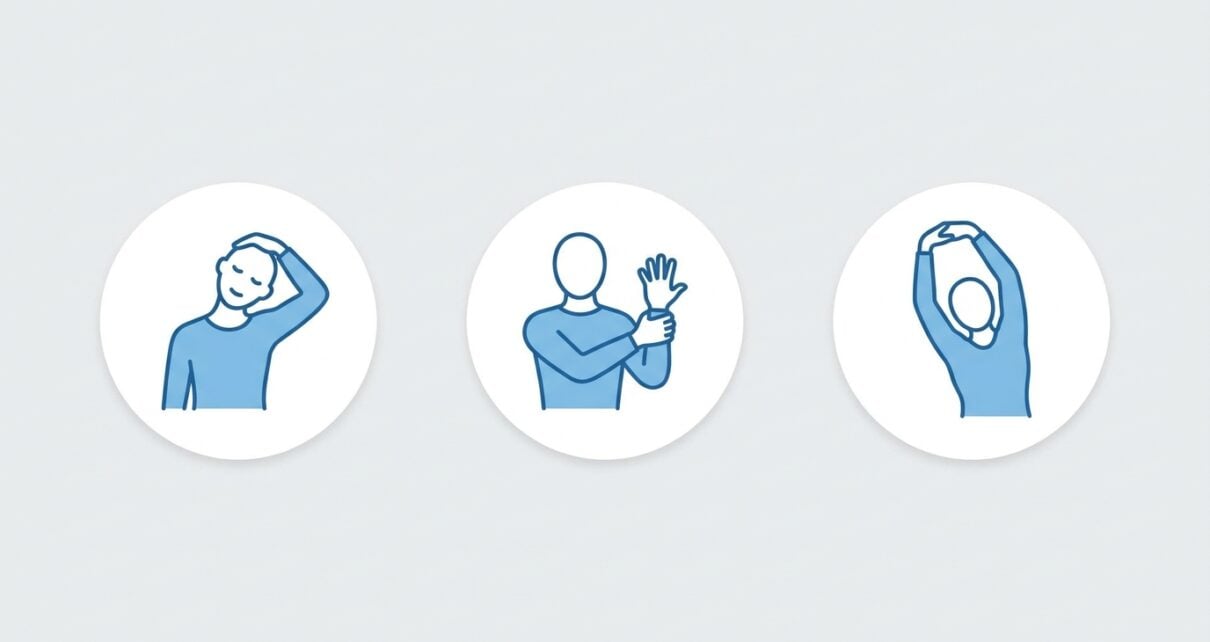
You do not need specialized gym equipment or workout attire to release physical stiffness right at your workstation. Simple, targeted stretches performed directly in your office chair can relieve stress in areas that bear the brunt of keyboard and mouse work. Begin with gentle neck rolls, easing your chin toward your chest and slowly tilting each ear toward the corresponding shoulder. Pair this with shoulder shrugs, lifting your shoulders toward your ears on an inhale and rolling them backward and down on an exhale. These basic motions encourage circulation around the cervical spine and help dissolve the tightness that gathers from looking downward at displays.
The mid-back and hips also benefit immensely from seated twists and gentle leg extensions. Seated spinal twists can be performed by placing a hand on the outside of the opposite knee, gently turning the torso, and breathing deeply for several calm breaths before switching to the other side. If extended periods of sitting leave you feeling physically drained, taking time to explore our practical guide to relieve tension and restore daily vitality throughout the afternoon can give you additional structured strategies to stay refreshed. Making these soothing pauses a regular part of your workflow keeps your spine mobile and prevents physical discomfort from dominating your working hours.
Building Structured Movement Breaks
The most effective way to stay active during desk work is to establish predictable triggers that remind you to stand up. Because professional tasks often require deep concentration, hours can easily slip away without any change in posture. Linking light physical activity to routine work milestones ensures that movement happens automatically rather than as an afterthought.
Simple alterations to standard office routines can quickly transform a static work environment into an active space where physical movement occurs organically. Consider adopting a few of these practical habits during your workday:
- Stand up and pace around your desk while taking voice phone calls or listening to presentations.
- Walk to refill your water glass after finishing each major assignment or report.
- Perform gentle calf raises and ankle rotations while waiting for documents to upload or download.
- Take a short walking route down the hallway or around your living room before eating lunch.
- Shift between sitting and standing postures if your workspace includes an adjustable desk.
These minor interruptions do not hinder your concentration; in truth, they frequently renew mental clarity. Stepping away from the screen for just a few moments allows your eyes to rest, lets your breathing deepen, and gives your brain a valuable cognitive break. When you return to your seat, you are likely to tackle difficult problems with greater focus and renewed enthusiasm.
Incorporating Gentle Strength and Posture Checks
In addition to stretching and walking, desk-bound workers can subtly engage core muscle groups to maintain proper alignment. Slouching causes the abdominal muscles to relax entirely while placing extra strain on the lumbar spine. By consciously engaging your core—drawing your navel gently toward your spine while keeping your feet flat on the floor—you recruit the stabilizing muscles that support proper posture throughout the day.
You can also introduce bodyweight exercises during brief breaks between meetings. Wall sits, desk-supported push-ups, or gentle squats in your office space activate large muscle groups like the quadriceps and glutes. These movements wake up muscles that tend to deactivate during seated work. For those who want more detailed guidance on balanced exercise structures and wellness routines, visiting comprehensive fitness platforms like Fitness-Studion1 offers valuable inspiration for discovering exercises that complement everyday desk routines.
Creating a Sustained Routine for Long-Term Energy
The key to long-term success with workplace wellness is patience and consistency. Trying to implement numerous radical changes at once often leads to frustration or abandoned efforts. Instead, choose a few simple habits to practice regularly. Pay close attention to how your body communicates with you during the day. Recognizing early signs of physical fatigue, such as shallow breathing or eye strain, allows you to take proactive steps before discomfort sets in.
Over time, small physical adjustments compound into a noticeably more comfortable workday. By weaving light stretches, intentional breaks, and mindful posture into your daily schedule, you can protect your physical vitality while excelling at your professional responsibilities. Staying active while working at a desk does not require perfection; it simply calls for a willingness to honor your body with regular, gentle movement.