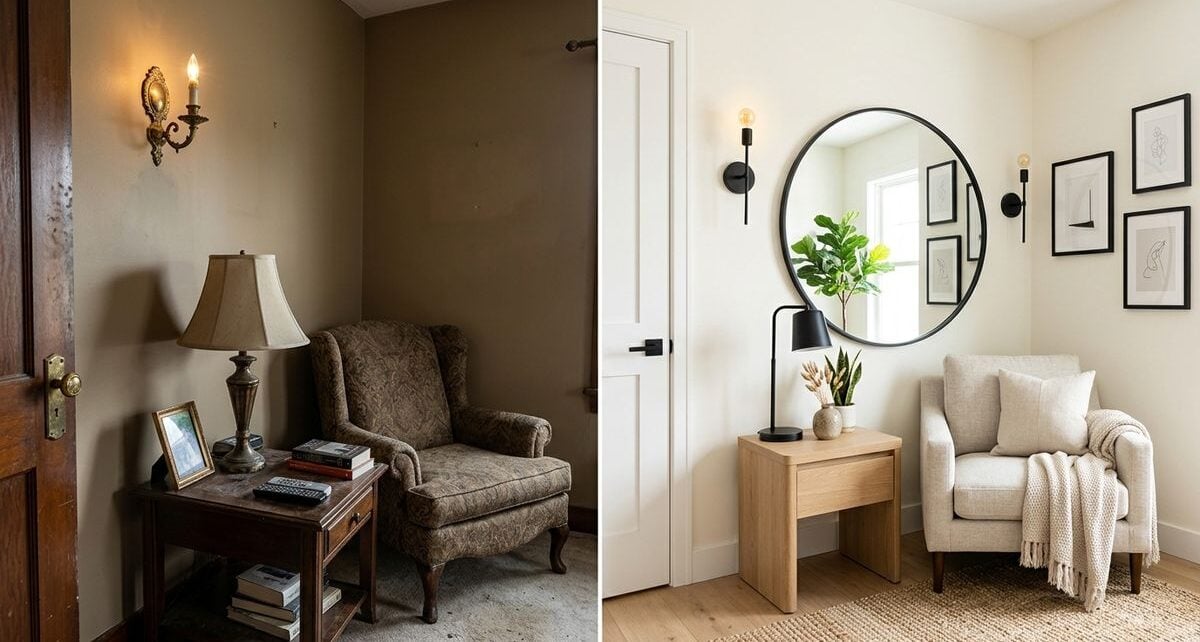
Refreshing a home is a rewarding journey that touches every part of everyday living. Over time, living areas naturally gather wear, routines shift, and spaces that once felt well arranged can begin to feel mismatched or cluttered. Approaching a renovation does not require tearing down walls or discarding everything you own. Instead, a successful transformation begins with careful observation, thoughtful planning, and an understanding of how your household moves through each room from morning to night.
When you focus on enduring quality and steady upkeep, your living environment becomes easier to manage and far more pleasant to inhabit. Renovating with intention allows you to create spaces that feel both fresh and familiar, balancing visual charm with the practical demands of daily life. By establishing clear priorities early in the process, you can prevent unnecessary frustration and guide your project toward lasting success.
Evaluating Room Utility and Daily Traffic Patterns
Before picking paint swatches or browsing showroom catalogs, take time to study how each area functions during regular routines. Pay attention to common pathways between doorways, seating arrangements, and natural light sources. A room that looks appealing in a catalog can easily feel cramped if furniture obstructs natural walking paths or if task lighting is placed poorly for reading and working.
Consider how different family members share spaces throughout the week. A living room might serve as a quiet retreat in the early morning, an active gathering hub in the afternoon, and an entertainment space after dinner. Recognizing these multi-layered needs helps you select adaptable furniture and preserve open floor space. When organizing shared areas, keeping clutter tucked away makes a major difference; our earlier guide on blending practical storage with interior style offers valuable insight into choosing built-in shelving, discreet cabinets, and dual-purpose furnishings that preserve visual calm.
Carefully note architectural details such as window placements, heating vents, and power outlets. Designing around these existing features saves substantial effort and prevents awkward arrangements. When you honor the natural layout of a structure, furniture placement feels effortless, and daily movement remains smooth and intuitive for everyone in the home.
Selecting Timeless Finishes and Decorative Harmony
Design choices should support long-term satisfaction rather than rapid trends that quickly lose their appeal. Neutral palettes for large surface areas such as walls, foundational flooring, and primary upholstery create a grounding canvas. Warm whites, soft earth tones, and gentle grays provide versatility, allowing you to update accessories across seasons without repainting entire rooms.
Material durability is equally important when choosing foundational elements. Hardwood floors, solid masonry, and durable woven fabrics withstand frequent daily activity while developing character as they age. Rather than seeking perfection, look for materials that age gracefully and require straightforward care routines. When bringing your personal decorative vision into reality, exploring ideas at nghomedecor.com can inspire balanced ways to harmonize textures, decorative accents, and statement pieces that give every room a welcoming feel.
Layered lighting transforms the mood of any living environment. Combine multiple complementary layers of light to achieve practical flexibility: overhead ambient fixtures for general brightness, focused task lamps near reading chairs or desks, and soft accent lighting to highlight architectural contours. Dimmable switches give you the power to adjust lighting levels to suit quiet evenings or lively family gatherings.
Organizing Renovation Projects in Manageable Stages
One common pitfall during home improvement is attempting to renovate too many rooms at the same time. Spreading resources and attention across multiple projects often leads to unfinished corners and prolonged disruption. Focusing on a single defined space allows you to complete tasks thoroughly, celebrate tangible progress, and carry valuable lessons into the next phase.
Preparation is the most protective step of any physical update. Before beginning structural work, painting, or flooring replacement, clear the room completely or consolidate items in the center beneath heavy drop cloths. Seal off doorways leading to bedrooms and kitchens to contain airborne dust, and establish clear storage zones for tools and raw materials to keep common hallways safe and walkable.
Establish realistic time expectations for every improvement. Surface updates such as repainting baseboards and swapping hardware can be finished over a quiet weekend, whereas flooring replacement or custom cabinetry installation requires broader scheduling. Allowing brief pauses between project stages prevents fatigue and gives you space to evaluate how newly completed elements work within the home.
Establishing a Consistent Care and Maintenance Schedule
A newly refreshed space retains its beauty only when supported by regular upkeep. Overlooking routine maintenance often leads to avoidable damage, such as water stains behind loose caulk or scratched floor finishes. Dedicated care protects your physical environment and ensures that shared living quarters remain functional and inviting for years to come.
When caring for residential spaces and preserving long-term structural integrity, guidance from casaindecor.com provides practical perspectives on maintaining family living areas through disciplined upkeep and thoughtful renovation planning. Creating a predictable care routine transforms maintenance from an intimidating chore into a simple series of manageable steps.
To keep shared rooms in excellent condition, focus on essential periodic tasks that preserve surfaces and household hardware:
- Inspect window seals, baseboard caulking, and door weatherstripping for drafts or small gaps.
- Clean and condition solid wood furniture and sealed stone countertops using gentle, non-abrasive cleaners.
- Vacuum ventilation grates and replace central air filters to support clean air circulation.
- Tighten interior door handles, cabinet hinges, and architectural fixtures to prevent sagging and surface friction.
Addressing these minor inspections on a predictable monthly or seasonal rotation prevents small concerns from developing into complex repair challenges. Routine care also deepens your familiarity with your home, making it easy to identify when a surface needs resealing, conditioning, or minor adjustment before visible wear appears.
Sustaining Calm and Comfort for the Long Run
A supportive home environment is never truly static; it grows alongside the people who live inside it. As seasons change and household routines shift, rooms naturally adapt to accommodate new activities, hobbies, and personal milestones. Viewing home improvement as a thoughtful, ongoing relationship with your living space brings a sense of calm and creative freedom to everyday living.
By prioritizing functional design, durable materials, and consistent maintenance, you create an environment that stands resilient against daily wear while nurturing genuine relaxation. With thoughtful planning and attentive care, your living spaces will continue to provide warmth, beauty, and peaceful comfort for every chapter of your home life.