
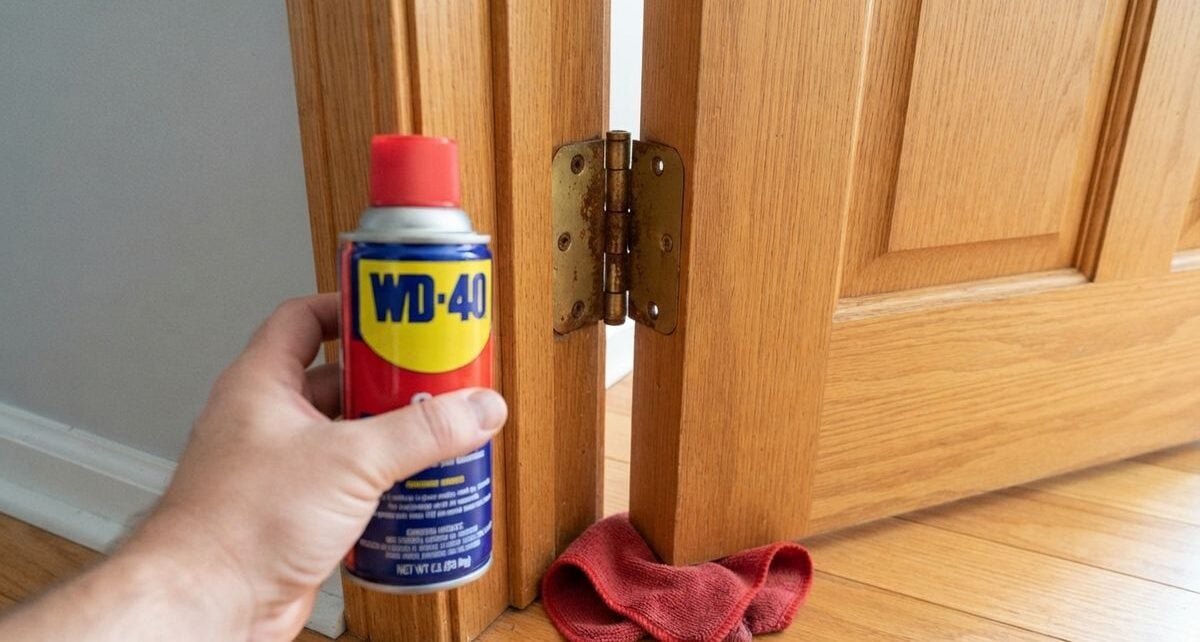
Car doors open thousands of times over their life. Hinges carry substantial weight, latches hold the door closed, and check straps control how far it opens. Dirt, impact, corrosion, or unsuitable lubricant can make these parts noisy or stiff. A gentle inspection can identify concerns, while repairs should be left to a qualified technician.
Inspect before applying anything
Park on level ground, switch the vehicle off, apply the parking brake, and keep fingers away from pinch points. Open one door slowly. Listen for clicks, scraping, or a sudden drop. Notice whether the door stays controlled at its intended positions.
Readers may also want to visit butlerdispatch.com. Some hinges or latches are designed for a particular lubricant, while others should not be coated. Generic advice cannot override vehicle-specific instructions.
Look for loose fasteners, metal dust, cracked check-strap covers, rust streaks, damaged wiring boots, or misaligned body gaps. Do not tighten structural fasteners casually; position may be critical to alignment.
Clean only accessible surfaces
Wipe loose dirt from visible hinge and latch areas with a soft cloth. Use a small brush where appropriate, keeping debris away from electrical connectors and painted surfaces. Avoid pressure washing into hinges, lock mechanisms, or wiring passages.
If the manual permits lubrication, use the specified product sparingly at the indicated points. Protect upholstery and paint from overspray. Work the door slowly a few times, then wipe away excess that would collect dust or transfer to clothing.
Follow a simple sequence:
- Confirm the vehicle is stable and the door cannot swing unexpectedly.
- Inspect gaps, hinge areas, latch, and check strap.
- Remove accessible loose dirt.
- Apply only the approved lubricant in a small amount.
- Move the door gently through its normal range.
- Wipe excess and confirm the latch closes normally.
Never place hands between the door edge and body while moving it.
Recognize signs that need repair
A door that drops when opened, must be lifted to close, rebounds from the latch, opens beyond its normal limit, or shows loose hinge movement needs professional attention. Continued use can damage the latch, striker, wiring, seals, or body mounting points.
Repeated clicking from a check strap may mean wear rather than dryness. You can also visit everyblogy.com for more reading.
Do not hammer the striker, bend the door frame, or add washers as a quick alignment fix. Doors are part of weather sealing and occupant protection, and an incorrect adjustment can create a serious closing problem.
Include doors in routine care
After washing the car, dry around door edges and seals. Keep drain openings clear only as the manual describes; never probe blindly with hard tools. In winter, remove grit and road residue before adding lubricant.
For a related read on this site, see How to Plan a Relaxing and Safe Long-Distance. A rarely opened door can develop stiffness unnoticed.
Test child locks and central locking only in accordance with the manual, and make sure nobody can become trapped. If a warning says a door is open when it is fully latched, have the switch and latch system checked.
Door care should be quiet and conservative: clean, observe, and use the correct product only where approved. When movement or alignment changes, early professional attention can prevent a small worn part from placing stress on a much larger and more expensive assembly.
Check related seals and wiring
While the door is open, inspect the visible rubber wiring boot between door and body. It should sit securely without obvious cuts or pinching. Do not pull it back or probe inside. Intermittent windows, locks, speakers, or mirror functions can indicate wiring trouble that needs professional diagnosis.
Wipe door seals with the method approved by the manufacturer and look for tears, flattened areas, or sections pulled away from their channel. A poorly aligned door can damage an otherwise good seal. Avoid applying unapproved oils or dressings, which may swell rubber or attract grit.
After care, close the door gently from its normal handle and confirm the dashboard recognizes it as shut. Test locks with a window open or another safe means of access so you cannot accidentally lock keys inside. If water enters, wind noise changes, or the door needs extra force, book an inspection. A complete door check connects mechanical movement with sealing, wiring, and electronic recognition; treating only the squeak can miss the reason the assembly changed.
Include the date and affected door in the maintenance record so a returning symptom is easy to trace.


