Before a long journey, many people check nothing at all and hope for the best. A short fluids check takes only a few minutes and can prevent an unpleasant roadside wait. You do not need to be a mechanic to do it. You need a level surface, a clean cloth, and a clear idea of what to look for. This guide walks through the basics, and it explains when a qualified technician should take over.
Start with the owner’s handbook
Every vehicle is different, so begin with the owner’s handbook. It shows where each reservoir is, how to read the dipstick, and which fluid types the manufacturer recommends. Mixing the wrong fluid or overfilling a reservoir can cause more trouble than a low level. If you cannot find the handbook, many manufacturers keep digital copies on their websites, and a trusted local workshop can also help.
Check the engine when it is cool, on flat ground, with the bonnet propped securely. Heat changes fluid levels and can give a misleading reading. Wipe the dipstick before reinserting it, and check the level against the marks.
The fluids worth checking
Engine oil is the most important. Look for a level between the marks and a colour that is amber or brown rather than black and gritty. Dark oil is not always a problem, but it does mean the next service may be due sooner.
Coolant keeps the engine from overheating. Check the level in the translucent reservoir, not the radiator cap, which should stay closed when the engine is hot. Brake fluid is usually in its own small reservoir near the back of the engine bay. A level that sits well below the upper mark can suggest worn brake pads or a leak, and that needs professional attention.
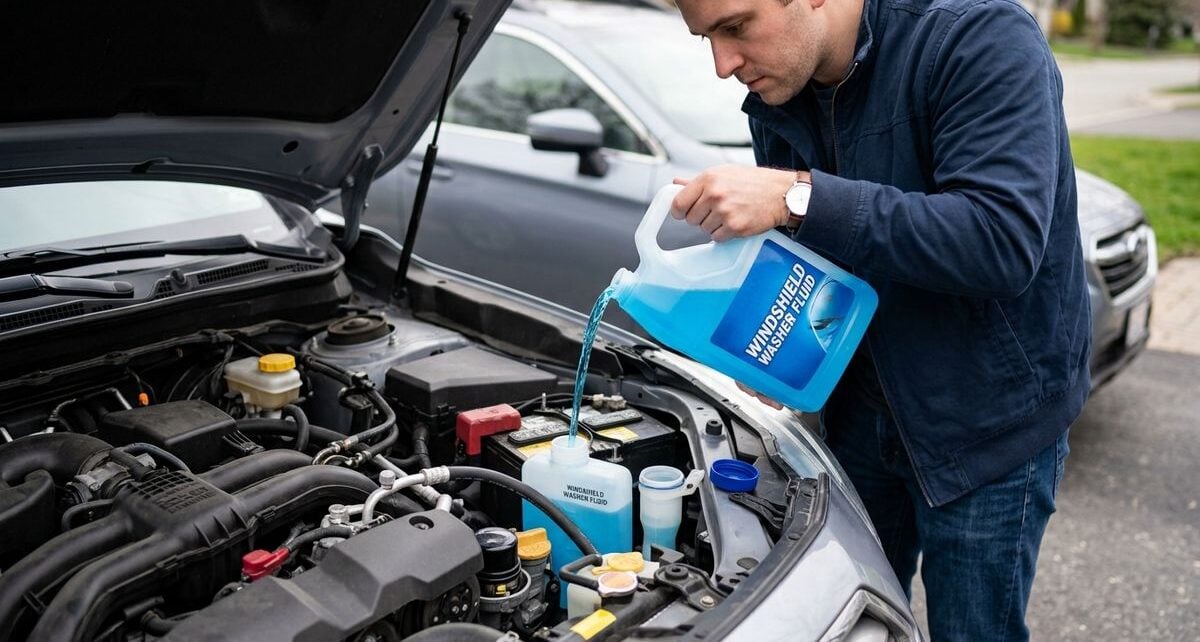
Windscreen washer fluid is easy to forget and very useful in bad weather. Top it up with a proper washer mix, not plain water, which can freeze in cold conditions. Power steering fluid and transmission fluid vary greatly between vehicles, so check the handbook before you touch them.
A simple pre-trip routine
Make the check part of a habit. Use this list before each long journey:
- Confirm the engine oil level and look for obvious leaks on the ground.
- Check coolant in the reservoir when the engine is cool.
- Confirm brake fluid sits between the marks.
- Fill washer fluid and test the sprayers.
- Inspect the tyres for damage and check the pressures in the handbook.
- Look for warning lights on the dashboard before you set off.
Note what you find in a small notebook or on your phone. Over several trips you will learn how your vehicle behaves, and sudden changes become easier to spot.
Readers may also want to visit Fruzo. You can also visit site-reference.com for more reading. For a related read on this site, see How to Set Up a Low-Effort Reading Corner. A few minutes of preparation is a small price for a much calmer journey.
When to call a professional
Some problems should never be handled alone. If a fluid level drops quickly, if you see a puddle that keeps returning, or if a warning light stays on, stop and arrange an inspection. Oil that smells burnt, coolant that looks rusty, or brake fluid that feels spongy under the pedal all suggest a fault that needs a trained technician. Do not drive long distances on a suspected fault just to reach a destination.
Planning ahead also helps. A service a few weeks before a long holiday gives a workshop time to find and fix problems calmly, rather than in a rush at a motorway services.