Many households rely on a single primary vehicle for grocery runs, school drop-offs, and weekend outings, while keeping a bicycle, scooter, or motorcycle for solo errands and quick work trips. Combining a four-wheel passenger car with a nimble two-wheeler offers great flexibility for daily living. You can bypass gridlock during morning rushes, avoid fighting for narrow parking spaces downtown, and reserve the larger family car for times when carrying multiple passengers or bulky gear is genuinely necessary.
At the same time, coordinating two very different modes of personal transportation under one roof requires intentional planning. Without a shared system, driveways get blocked, gear piles up in hallways, and maintenance tasks slip through the cracks. Finding a steady balance between your car and your two-wheeler comes down to smart scheduling, safe storage, and simple upkeep habits that every driver and rider in the home can follow.
Deciding How to Divide Daily Trips
The first step in making a dual-vehicle setup work is establishing clear criteria for which vehicle to take on any given outing. As a general rule, trips involving grocery hauls, weather disruptions, or multiple family passengers naturally belong to the car. Solo commutes, quick neighborhood errands, and trips to congested business corridors are often far better suited to two wheels.
Matching the right machine to your commute style also depends on personal comfort and the type of riding you enjoy most. Whether you navigate busy city streets on a lightweight commuter bicycle or cruise along suburban avenues on an agile motorbike, choosing equipment that aligns with your daily habits makes every trip more enjoyable. Enthusiasts who want inspiration for finding the ideal ride for their lifestyle often explore resources like martin-bike.com to compare styles and discover machines that match their personality. When your two-wheeler feels comfortable and responsive, choosing it over the car for short solo trips becomes a natural habit rather than a chore.
Take a few moments on Sunday evenings to review the upcoming week with your household. Look at school calendars, work appointments, and after-hours activities to decide who needs the car on specific days. When everyone knows the transportation schedule in advance, you eliminate the morning scramble and prevent misunderstandings about who gets the keys.
Organizing Shared Garage and Storage Space
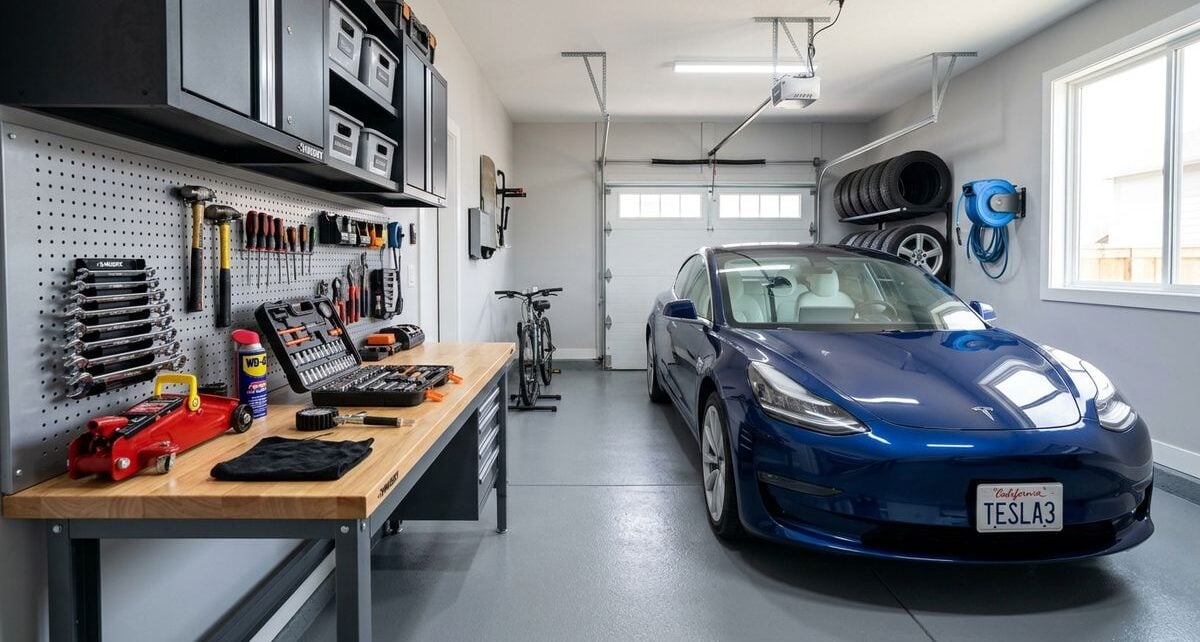
Parking a car and a two-wheeler together in a standard garage or driveway can feel cramped if you do not designate specific zones for each. Because two-wheelers are narrow but easily tipped, they should never be wedged into tight corners where an opening car door might bump into them. Place the two-wheeler along a side wall or near the front of the parking bay, ensuring a clear walking path around the vehicle.
Riding gear also demands dedicated storage space near the vehicle rather than scattered throughout the house. Helmets, gloves, high-visibility jackets, locks, and tire pumps should stay together in an organized locker or wall-mounted rack. Keeping these items beside your parking spot ensures that you never skip essential safety gear simply because you could not locate your gloves or jacket in the morning rush.
Establishing a Predictable Maintenance Routine
Maintaining two distinct vehicles requires two separate checklists, but you can streamline the process by pairing inspections on the same afternoon each month. For the family automobile, routine checks include monitoring engine oil levels, checking tire pressure, inspecting windshield wiper blades, and verifying that all exterior lights function properly. Caring for your four-wheeler becomes much simpler when you turn to helpful guides on advanceautocars.com for dependable maintenance advice, repair tips, and vehicle accessory guidance. Following consistent inspection habits helps you catch small issues before they develop into expensive repairs.
Meanwhile, two-wheelers need frequent, hands-on attention because simple wear directly affects handling and stability. Inspecting tire tread, confirming chain lubrication, and checking brake pad thickness take only a few minutes before you head out. A quick pre-ride walkaround should become second nature before any journey, whether you are pedaling across town or riding a motorized bike down the boulevard.
To keep both vehicles ready for daily use, keep a compact service kit in your garage containing the following basic supplies:
- A dual-valve tire pressure gauge suitable for automotive and bike valves
- A clean microfiber towel and gentle cleaner for visors and mirrors
- A small bottle of multi-purpose chain lubricant
- A portable air inflator that connects to standard valve stems
Keeping these supplies organized in a single plastic caddy allows you to handle quick tire top-offs and chain wipes without hunting through crowded toolboxes.
Handling Seasonal Changes and Family Routines
Transportation needs shift across the calendar as weather turns and family responsibilities evolve. During pleasant spring and summer months, the two-wheeler often handles the bulk of solo errands, allowing the car to rest. When autumn brings rain and winter brings freezing temperatures, the family car steps back into primary service for warmth and road grip. Balancing these seasonal swings requires honest communication among family members about comfort levels and changing road conditions.
Seasonal transitions often coincide with major shifts in household routines, such as starting a new school term or returning home after a lengthy summer road trip. When your family returns from extended journeys, resetting daily transportation habits goes hand in hand with broader adjustments, such as helping a child re-enter school with minimal stress. Creating predictable schedules for both school drop-offs in the car and quick parent commutes on the two-wheeler helps restore structure to family life after weeks away from home.
If severe storms or ice make two-wheel travel impractical, have a clear backup plan in place. That might mean carpooling together in the family car, shifting travel times slightly, or coordinating public transit routes. Knowing your alternative plan ahead of time prevents hasty decisions on mornings with bad weather.
Building Safe and Sensible Riding Habits
Operating both a car and a two-wheeler makes you a better operator of each. Drivers who regularly ride two-wheelers develop heightened awareness of blind spots, road surface hazards, and following distances. Similarly, understanding how cars behave in traffic helps you position your two-wheeler more defensively when navigating crowded intersections or merging into flowing traffic lanes.
Always prioritize high-visibility gear, even on bright afternoons. Bright helmets, reflective jacket panels, and active running lights ensure that other motorists spot you early. Never assume that a turning driver sees you waiting at a crossroad. Leaving extra space around your two-wheeler gives you an escape route if a vehicle stops abruptly or drifts within its lane.
Integrating a dependable family car with an efficient two-wheeler gives your household the best of both worlds. You gain the carrying capacity and comfort of a four-door passenger vehicle alongside the agility and convenience of a lightweight commuter ride. By establishing clear parking boundaries, coordinating weekly schedules, and staying on top of basic maintenance, you can enjoy a versatile lifestyle that keeps every family member moving safely and comfortably.