
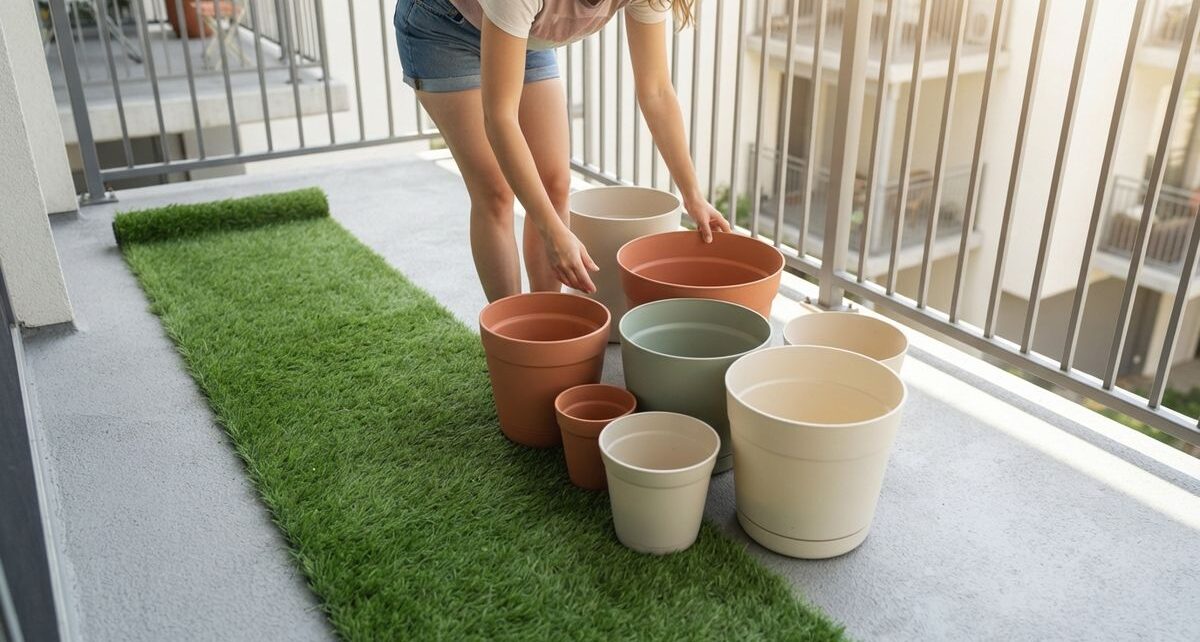
Creating a productive vegetable garden within a limited environment offers a rewarding way to connect with nature while supplementing a household pantry with fresh ingredients. Whether utilizing a balcony, a small patio, or a modest patch of earth, the foundational principles remain consistent. Success hinges on observation, thoughtful planning, and consistent care rather than the extent of the land available. By focusing on essential needs such as light, soil quality, and water management, any individual can transform a small area into a vibrant source of nourishment.
Assessing Your Available Space
The initial step in establishing a productive garden involves careful observation of the chosen environment. Light serves as the primary driver of growth for many vegetables. Spend time monitoring how sunlight interacts with the space throughout the day. Areas that receive ample direct sunlight are ideal for crops that produce fruit, such as tomatoes or peppers, whereas locations with partial shade might be more suitable for leafy greens like lettuce or spinach. Understanding these patterns prevents frustration later, as crops thrive when positioned in environments that align with their needs.
Beyond light, consider the accessibility of the area. A garden positioned near a kitchen or a frequently accessed doorway is more likely to receive regular attention. Proximity to a water source also proves critical. Carrying water over long distances frequently discourages consistent maintenance, leading to neglected plants. Evaluate the structural integrity of the area as well, especially when working on balconies or rooftops, as containers filled with moist soil become surprisingly heavy. Designing a layout that prioritizes ease of access ensures that daily tasks, such as inspection and harvesting, become seamless parts of a routine.
Choosing Crops for Your Environment
Selecting appropriate plant varieties is essential when space is at a premium. Rather than attempting to grow everything, focus on crops that provide high value for the space occupied. Compact or dwarf varieties of common vegetables are specifically bred for containers and small plots, often yielding robust harvests without requiring extensive room. Consider the growth habits of each plant; vining plants, for instance, can often be trained to climb vertically, saving precious surface area for other crops.
Think about personal preferences and culinary habits. Growing vegetables that are frequently consumed ensures the harvest will be utilized efficiently. Experimenting with a variety of textures and colors also adds visual appeal to the growing space, turning a practical garden into an enjoyable feature of the home. Keep in mind the seasonal limitations of the local climate, as choosing varieties that naturally thrive in the current weather conditions reduces the need for interventions or protective measures.
Establishing a Sustainable Watering Routine
Water management stands as a cornerstone of garden health, particularly in container gardening where soil dries more quickly than in the ground. Developing a rhythm for hydration requires attention to environmental factors, including temperature and humidity. Plants typically require more frequent attention during warmer, drier periods. Using pots that possess adequate drainage is vital, as this prevents roots from sitting in excess water, which leads to issues that can compromise plant health.
When living with others, sharing the responsibility of maintenance can be a challenge. Establishing clear communication and defined roles is just as important as the gardening itself. Much like the principles outlined when coordinating household chores between busy individuals, a simple system helps ensure no plant is overlooked. Using a shared calendar or a physical checklist can clarify who is responsible for watering, fertilizing, or harvesting, preventing both neglect and over-enthusiastic intervention.
Managing Garden Surplus Effectively
As the garden reaches full production, surplus can sometimes exceed immediate consumption. This is a common and positive outcome, though it requires a shift in management strategy. Learning to preserve excess produce through methods like drying, pickling, or freezing allows the garden’s bounty to be enjoyed over a longer duration. Alternatively, sharing the harvest with neighbors or colleagues fosters community connection.
For those looking to expand the scope of their efforts, perhaps by turning a hobby into a small venture, organization is paramount. Managing the logistics of a growing operation—whether it involves selling produce or organizing a local seed swap—requires a structured approach to business operations. Resources like Success With Taylor offer valuable perspectives on refining these administrative processes, helping to balance the enjoyment of gardening with the practical requirements of managing a growing project efficiently.
Building Interest in Your Garden Community
A flourishing garden can often become a focal point for the surrounding community. Sharing knowledge about small-space techniques or hosting small gatherings to discuss gardening can inspire others to begin their own projects. Visibility is key to fostering this interest. A well-maintained garden naturally attracts curiosity, and being open to answering questions or offering advice can solidify one’s role as a helpful resource for fellow gardening enthusiasts.
If the goal is to promote a garden-related initiative, workshop, or produce sale, understanding how to reach the right audience effectively is beneficial. Marketing principles are not limited to large corporations; they apply equally well to community-based endeavors. Utilizing insights found in IT Marketing Boot Camp can provide a foundational understanding of how to communicate the value of your efforts to others, ensuring that your garden-related outreach is clear, intentional, and well-received by your community.
Consistency in Seasonal Maintenance
Maintaining a garden throughout the seasons is an ongoing process that extends beyond planting and harvesting. Seasonal changes dictate the necessary care routines. As the primary growing season concludes, focus shifts to preparing the space for the next cycle. This includes cleaning containers, improving soil health with organic material, and planning which varieties will be suitable for the upcoming conditions.
- Inspect plants regularly for signs of distress or pests.
- Ensure containers remain clear of debris.
- Refresh soil with compost or organic amendments before replanting.
- Rotate crops to maintain soil vitality.
- Evaluate the successes and challenges of the past season.
Consistency in these efforts prevents the accumulation of tasks and keeps the garden functioning well. By viewing maintenance as a series of small, manageable activities rather than a burdensome chore, the garden remains a sustainable source of joy and productivity. Staying observant and adaptable to the needs of the plants throughout the changing seasons ensures the space remains healthy, productive, and satisfying for the long term.


