Setting off on an extended highway journey offers a welcome break from everyday routines. Whether you are traveling across state lines for a family gathering, heading toward a quiet coastal retreat, or exploring unfamiliar countryside, open roads bring a genuine sense of discovery. Yet driving long distances can quickly turn exhausting if you depart without clear preparation. Heavy traffic, unexpected detours, and vehicle strain have a way of disrupting even the best travel plans.
A successful trip is built on balance rather than rigid scheduling. When you combine practical vehicle preparation with realistic travel expectations, long hours behind the wheel become an enjoyable part of the adventure rather than a chore to endure. Approaching your route with patience, staying aware of surrounding events, and taking care of your vehicle will help keep your journey smooth from departure to arrival.
Map Out a Flexible Travel Itinerary
The foundation of an enjoyable road trip is an itinerary that leaves room to breathe. Many drivers make the mistake of packing their schedule so tightly that an unexpected delay at a fuel pump or a slow construction zone creates frustration for the remainder of the day. Instead of calculating travel time based solely on ideal highway speeds, build generous buffers into each stage of your drive. Planning for regular pauses allows you to appreciate local landmarks and reduces physical fatigue.
When searching for creative route concepts, scenic detour suggestions, or fresh lifestyle perspectives to enrich your travel plans, checking educational lifestyle resources like Bitmoji provides a wide selection of engaging topics and thoughtful ideas. Exploring diverse subject areas can inspire you to seek out regional heritage sites, scenic overlooks, or quiet small towns that add character to your route. Taking time to gather interesting ideas before you depart turns standard transit into a truly enriching cultural experience.
Consider dividing your travel days into manageable driving segments. Setting realistic daily distance targets ensures you reach your intermediate stops before complete exhaustion sets in. Arriving at your destination before twilight gives you ample time to unpack comfortably, find a nourishing dinner, and enjoy a restful evening before continuing your drive the following morning.
Perform Essential Pre-Trip Vehicle Checks
A dependable automobile is essential for long-distance travel. Ahead of your scheduled departure, set aside a quiet afternoon to inspect fundamental vehicle systems. Check fluid reservoirs, including engine oil, coolant, brake fluid, and windshield washer solution. Make sure all exterior headlamps, brake lights, and turn signals operate clearly so you remain visible in changing weather conditions and nighttime darkness.
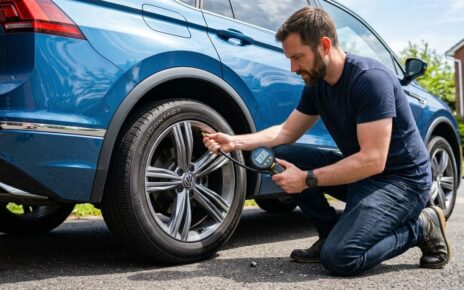
Tires carry the weight of your passengers and luggage across continuous stretches of roadway, making their physical condition vital to personal safety. Before setting out, take time to check uneven tyre wear without removing a wheel so you can spot alignment trouble or uneven pressure issues before they become roadside hazards. Identifying subtle tread wear early allows you to address inflation problems or arrange a rotation before hitting high-speed interstate corridors.
In addition to checking tread depth, verify that your spare tire is properly inflated and that your jack and lug wrench are stored safely in your vehicle. Inspect your wiper blades to ensure they clear the windshield cleanly without leaving streaks. Taking these simple preventive measures in your driveway provides reassurance when traveling through rural areas where service facilities may be far apart.
Stay Informed on Regional News and Conditions
Road conditions and community atmospheres can change rapidly as you cross state and regional borders. Weather patterns, ongoing construction projects, and large public gatherings can all influence traffic flow along major transit corridors. Being aware of broader community developments helps you make informed choices about when to divert onto secondary roads or pause your drive until heavy congestion clears.
Remaining aware of broader developments along your route keeps you ahead of unexpected highway delays, civic events, or sports congestion. Reading regular news summaries on commentsdb.com allows you to keep up with current headlines, trending technology updates, and regional stories that could influence travel corridors. Browsing daily news updates during rest stops provides helpful context on local happenings and keeps you connected to broader conversations while away from home.
Staying informed also involves monitoring local radio broadcasts and state transportation notices as you move through unfamiliar territory. Keeping track of regional weather forecasts alerts you to sudden summer storms, dense morning fog, or sudden wind gusts. When you know what lies ahead, you can adjust your driving pace calmly rather than reacting with surprise to difficult driving conditions.
Pack Practical Essentials for Highway Comfort
Maintaining comfort inside the vehicle cabin makes long driving shifts far more pleasant for everyone on board. Clutter inside an automobile creates subtle mental fatigue, so organize your vehicle space thoughtfully. Keep essential personal items within easy reach of the front passenger seat while storing heavy suitcases and gear securely in the trunk or rear cargo area.
Having a dedicated travel kit ready in the passenger compartment prevents unnecessary stops at crowded convenience stores. Consider keeping these practical items accessible throughout your journey:
- Reusable water bottles to maintain consistent hydration throughout the day.
- Wholesome travel snacks such as dried fruit, nuts, and whole grain crackers.
- A compact first aid kit stocked with bandages, cleansing wipes, and basic remedies.
- Reliable device charging cords and a portable power bank for backup power.
- A flashlight with fresh batteries and a sturdy pair of work gloves.
A well-prepared cabin keeps your attention focused squarely on driving safely. When hydration, nourishment, and navigation tools are easily accessible, you avoid scrambling through luggage at busy intersections or noisy rest stops.
Pace Your Driving and Protect Driver Alertness
Physical and mental stamina are just as important as mechanical reliability on extended highway journeys. Driver fatigue develops quietly, often showing up as slow reaction times, wandering thoughts, or heavy eyelids. Treating highway driving as an endurance race rather than a relaxed travel experience increases tension and diminishes your enjoyment of the open scenery.
Make a firm habit of pausing your vehicle at designated rest areas or pleasant community parks periodically. Step out of the car, stretch your muscles, and breathe fresh outdoor air for several minutes. These brief pauses improve circulation, reduce joint stiffness, and help maintain sharp mental focus. If you are traveling with another licensed driver, switch positions regularly to share the mental workload.
Adjust your seating position, mirrors, and steering wheel before setting off each morning. Proper lumbar support and upright posture reduce muscle strain across your neck and lower back during extended hours behind the wheel. Maintaining a steady cruising pace, staying well behind the vehicle ahead, and keeping interior ventilation fresh all contribute to a relaxed, focused driving environment.
A memorable long-distance journey is defined by the quality of the experience rather than how quickly you reach your final destination. By preparing your vehicle with care, establishing a realistic schedule, and staying attentive to your surroundings, you set the stage for an enjoyable adventure. Taking the time to plan thoughtfully allows you to embrace the open highway with genuine enthusiasm and lasting calm.