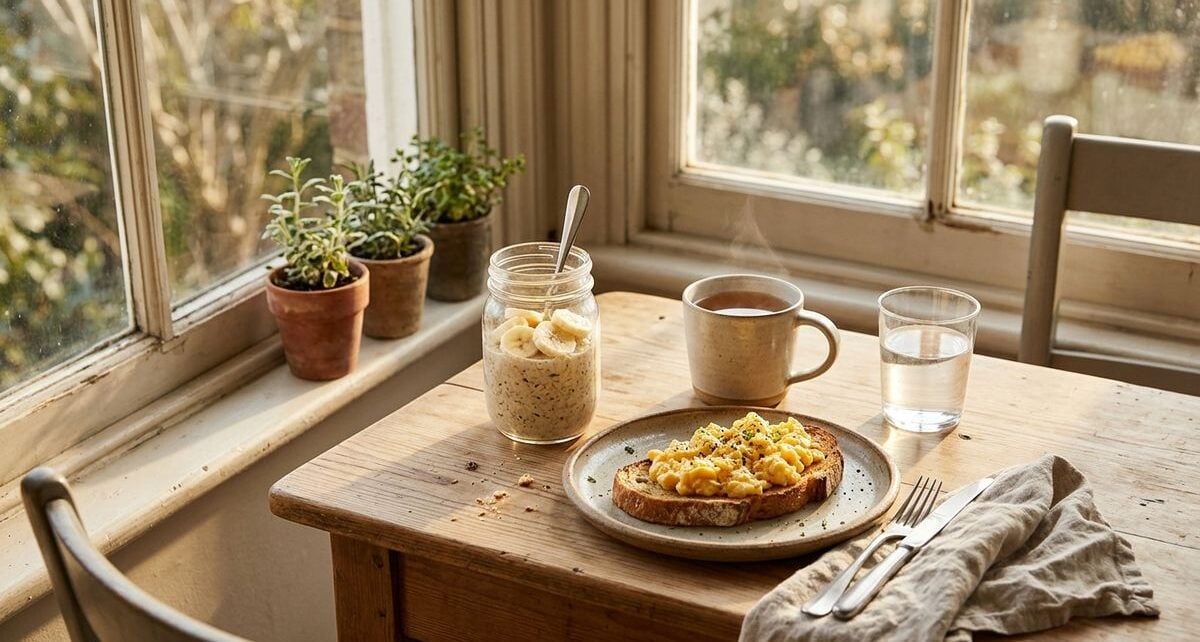
Appetite and cooking energy can shift across a week, making a fixed meal plan feel wasteful or difficult to follow. A useful approach to planning meals for changing appetite and energy begins with the conditions you actually have, not an idealized version of the day. The aim is to keep nourishing options available at several […]

Archive
How to Loosen All-or-Nothing Thinking Around Wellbeing Habits
Wellbeing advice can easily become a set of pass-or-fail rules: a workout counts only if it is long, a meal is ruined by one choice, or a bedtime routine has failed if the evening runs late. All-or-nothing thinking narrows the available responses and can make a small disruption feel like a reason to stop entirely. […]
How to Build a Regular Meal Rhythm on Unpredictable Days
Health habits are easier to live with when they support ordinary days, not just the days when motivation and time are abundant. With finding a flexible meal rhythm when the daily schedule changes, the useful starting point is curiosity: notice what already happens, choose one manageable change, and learn from the result without turning every […]
A Household Notice System That People Will Actually Check
Household information often ends up scattered across text messages, paper scraps, calendars, and spoken reminders. A simple notice system can bring shared details together, but only if it is easy to update and located where people naturally look. The goal is not to display everything; it is to make current, actionable information hard to miss. […]
A Guide to Setting Up a Borrow-and-Return Shelf at Home
Objects that must leave the house often collect on tables, stairs, and door handles. Library books, borrowed containers, returns, and items promised to friends all need a temporary home. A borrow-and-return shelf gathers them near the exit while keeping ownership, deadlines, and destinations clear. Choose a small, visible location Select a shelf, basket, or narrow […]
A One-Month Personal Learning Project That Stays Manageable
A month is long enough to explore a subject and short enough to keep the boundaries visible. A personal learning project might introduce local history, basic drawing, conversational phrases, bread techniques, or a new music genre. The aim should be a meaningful encounter, not mastery. Choose one question or capability you genuinely want. “Learn about […]
A Food-Preference Check Before Hosting a Casual Meal
Checking food preferences before a casual meal often appears straightforward until guests may avoid ingredients for cultural, ethical, religious, comfort, or health reasons that are not visible. In that moment, good intentions are not enough. A small amount of structure can prevent avoidable confusion while still leaving room for warmth, judgment, and changing circumstances. The […]
A Guide to Making a Community Suggestion Without Volunteering Everyone Else
Community conversations often produce energetic suggestions: start a monthly event, maintain a shared garden, update a noticeboard, or organize regular visits. The idea may be valuable, but enthusiasm can accidentally assign work to unnamed neighbors, staff, or volunteers. A responsible suggestion makes the possible benefit visible while being equally honest about labor, authority, and limits. […]
A Muddy-Footwear Care Routine After Outdoor Walks
A muddy walk can be enjoyable until wet boots and grit reach the hallway. A consistent footwear routine contains the mess, protects materials, and makes shoes ready for the next outing. The best time to begin is soon after returning, before mud hardens or damp footwear is pushed into a closed cupboard. Different materials need […]
How to Begin a Personal Letter-Writing Habit
The need for a personal letter-writing habit can seem like a minor concern until it repeatedly costs time, attention, or goodwill. A deliberate approach to a personal letter-writing habit does not need elaborate equipment or strict rules. Its purpose is to stay connected through thoughtful correspondence without waiting for major news or perfect words. The […]