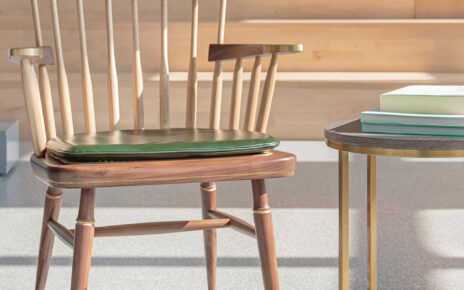
A manager converts a storage closet into a rest room, adds a sofa and a lamp, and proudly announces the new space to the team. Within a week, the room is full of boxes again because nobody agreed on its purpose or its rules. Quiet spaces can help staff recover during a busy shift, but they need a clear plan to be useful. Good intentions alone rarely make a rest area work.
Many managers mean well when they create rest areas, yet the same mistakes come up over and over. The sections below describe the most common ones and suggest simple ways to make a quiet room work for everyone who uses the workplace. The focus is on practical setup and fair use, not on medical care or treatment. Each section takes one decision and explains how to get it right.
Choosing a Room Without Thinking About Access
A quiet room hidden at the far end of a building may be hard for staff to reach during a short break. Long walks and locked doors reduce the chance that anyone will use the space at all. Choose a location close to the work area that still offers privacy and a sense of calm. Readers may also want to visit Free-pc-guides.com.
Ask a few team members to walk the route at the time of day they would actually use it, and note any obstacles along the way. A room that is easy to reach during a real shift will be used far more often than one that looks impressive on a plan. Consider whether the space is available to everyone, including people who work part time or on different shifts.
Overloading the Room With Equipment
Some managers fill a rest area with machines, shelves, and storage boxes, which makes it look more like a second office than a place to recover. Crowded furniture can feel stressful rather than restful, and it leaves little room for stretching or sitting quietly. Keep only what the team asked for, such as comfortable chairs, soft lighting, and a basic storage cupboard for personal items. You can also visit TechRegar for more reading.
Keep the walls clear and the floor free of trip hazards, since a tidy room is also a safer one. Remove cables that cross the floor and avoid stacking heavy items on high shelves. A calm, simple layout tells people that the room was designed with their comfort in mind.
Leaving the Rules Unclear
A quiet room works best when everyone knows who can use it, for how long, and what to do before leaving. Without clear rules, some people may dominate the space while others feel they cannot visit it at all. Write down simple guidelines covering booking, time limits, and cleaning. For a related read on this site, see Creating a Functional and Productive Home Workspace.
Post the guidelines near the door and review them with the team at a regular meeting. Clear expectations remove guesswork and reduce disputes about who was there first. Invite suggestions when the rules are reviewed, since people who use the room every day often spot problems that management does not see.
Treating the Space as a Substitute for Breaks
A quiet room is a useful addition, but it cannot replace proper breaks, reasonable workloads, or an honest conversation about pressure. Managers sometimes use the room as a quick fix while the underlying problems continue unchanged. Watch for signs of strain across the team, such as frequent overtime, missed lunches, or people who never leave their desks. Listen to what staff say and adjust schedules where the evidence points to a need.
Invite feedback about the room as well as the workload, since both shape how people feel during the working day. A rest space that sits beside an unrealistic schedule will not change much, however pleasant the furniture looks. The room should support healthy routines rather than hide problems that need attention.
Forgetting to Review the Space
A rest area can drift into disuse if nobody checks how it is working for the people who need it. Needs change over time, and the layout that suited a small team may not suit a larger one with different shift patterns. Ask for honest feedback every few months, and be prepared to change the furniture or the rules when the answers point that way. Small adjustments keep the space relevant and welcoming.
Keep a simple log of requests and changes so the team can see that suggestions lead to action. A visible response builds trust and encourages people to share their ideas again. Over time, the room becomes something the team feels it helped to create.
Making Rest Part of the Routine
A quiet room can be a helpful part of a healthier workplace when it is placed well, kept tidy, and supported by realistic schedules. Keep the setup simple, share the rules openly, and listen to the people who use it every day. Staff who feel looked after are more likely to return to their work refreshed and ready to contribute.