
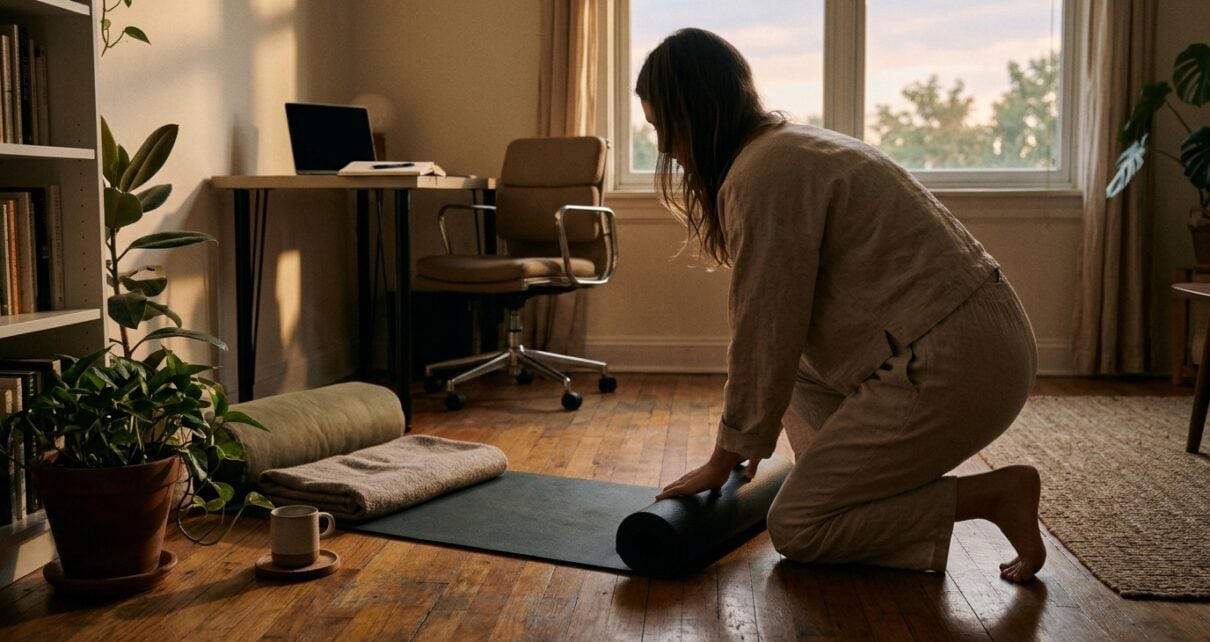
The spaces where you spend your downtime have a profound impact on how you feel throughout the day. Modern life often leaves people feeling drained, tense, or overwhelmed, and many individuals look toward elaborate self-care routines to find relief. Yet, the physical environment of your own home frequently holds the key to replenishing your vitality. When your surroundings are filled with quiet comfort, clean air, and thoughtful arrangements, your home transforms from a mere shelter into a genuine sanctuary for rest.
Creating a healthier living environment does not mean gutting your rooms or investing in costly renovations. Instead, it involves cultivating greater awareness of everyday surroundings and making intentional, gentle adjustments. By identifying subtle stressors, improving indoor conditions, and replacing harsh chemicals with cleaner options, you can shape an environment that actively supports your personal comfort and daily peace of mind.
Assessing the Hidden Triggers in Your Daily Environment
Every room carries sensory cues that tell your nervous system whether it is safe to unwind or necessary to stay alert. Cluttered countertops, stale air, harsh glare, and persistent background noise can subtly drain your energy without you even noticing. When you walk into a room packed with unfinished tasks, scattered papers, or visual disarray, your mind continues to process those demands in the background. Over time, this constant subtle stimulation prevents your body from entering a state of genuine ease.
A meaningful assessment begins with taking a slow walk through your home and observing how each area makes you feel. Notice where belongings tend to pile up, which corners feel stuffy, and whether your evening lighting feels too jarring after sunset. Staying informed about how your environment influences your mood and physical health is an ongoing journey. When you want fresh insights and helpful advice on balancing everyday fitness, wellness, and peace of mind, exploring dependable online guides like wnyhealthshow.com can give you plenty of inspiration to keep your routine on track.
Simple Shifts to Purify the Air You Breathe at Home
Indoor air can easily become stagnant, especially during seasons when windows remain closed tight against heat or cold. Everyday activities such as cooking, dusting, pet care, and burning scented candles release fine particles and moisture that linger in living areas. Without adequate circulation, these airborne elements accumulate, leaving the atmosphere inside feeling heavy and stale. Breathing fresh, clean air directly influences alertness, sleep quality, and overall daily comfort.
One of the simplest ways to refresh your home atmosphere is introducing consistent cross-ventilation. Opening windows on opposing walls creates a gentle draft that sweeps out trapped odors and ushers in revitalizing outdoor air. Incorporating resilient indoor plants, like spider plants or pothos, adds natural beauty while quietly brightening the room. In addition, wiping down hard surfaces regularly with a damp cloth captures settled dust before it can circulate back into the air you breathe.
Eliminating Harsh Substances and Choosing Natural Replacements
A significant portion of household fatigue stems from the chemical products people use daily. Many conventional cleaners, aerosol air fresheners, and synthetic laundry detergents are formulated with aggressive artificial fragrances designed to linger for days. While these scents give the impression of cleanliness, they often mask odors rather than removing them, filling living spaces with irritating airborne residues. Over time, constant exposure to strong synthetic perfumes can cause nasal stuffiness, head tension, and restless sleep.
Natural health is centered on a simple, intuitive principle: clearing away the unnecessary burdens around you and embracing clean, wholesome elements that support vitality. Exploring practical guides from dedicated sources such as Wellness 786 can give you wonderful ideas for removing harsh elements and introducing pure, nourishing choices that respect your physical well-being. Everyday pantry staples like distilled vinegar, baking soda, and olive-oil-based soap can clean kitchen surfaces and bathroom tile effectively without emitting harsh fumes.
Designing Restful Zones to Unwind and Recharge
The layout and purpose of your rooms also dictate how well your body recharges. When work laptops, bills, and exercise gear share the same space where you sleep or relax, your mind remains anchored to productivity and stress. Establishing clear physical boundaries between active daytime zones and quiet resting areas allows your thoughts to slow down as evening approaches. Even in smaller homes, dedicating a single corner solely to reading, meditation, or conversation fosters a reliable sense of serenity.
Cultivating a calm, restorative retreat does not require an expansive floor plan, but rather a collection of thoughtful choices that support your daily peace. A supportive armchair, a warm low-wattage lamp, and a soft blanket can turn an overlooked nook into your personal haven. If you want to assemble practical essentials for self-care in one accessible spot, learning how to build an everyday home wellness toolkit will help you organize soothing remedies, essential oils, and relaxation aids effortlessly. Keeping those restorative items organized and ready ensures you can easily unwind whenever you feel tension building.
Building Sustainable Habits for Long-Term Home Vitality
A revitalizing living space is not created in a single afternoon; it is sustained through effortless daily rhythms. Trying to overhaul every room at once often leads to frustration and burnout. Instead, adopting a few manageable routines will keep your home feeling fresh, orderly, and peaceful without demanding hours of labor. Integrating these habits into your existing morning and evening schedules makes healthy home maintenance completely natural.
- Open windows for several minutes each morning to circulate fresh outdoor air throughout your rooms.
- Swap out artificial room sprays for a stovetop pot gently simmering water with lemon slices and fresh rosemary.
- Establish a clear drop spot near your entryway to leave outdoor footwear and collected debris at the door.
- Designate an hour before bedtime to dim bright overhead fixtures and switch to gentle, warm ambient lighting.
Consistency matters far more than perfection when caring for your living environment. Dedicating a few moments each evening to clearing kitchen counters and tucking away loose items prevents clutter from compounding overnight. Waking up to clear surfaces and open floor space sets a calm, organized tone for the entire morning ahead. Over time, these small rituals become automatic, maintaining an uplifting household environment that supports your entire family.
Transforming your living space into a restorative haven is one of the most practical investments you can make in your daily well-being. When your home is free of unnecessary clutter, harsh chemicals, and stagnant air, it ceases to be another source of sensory overload. Instead, it becomes a peaceful retreat that replenishes your strength, nurtures your focus, and brings lasting ease to everyday life.


