
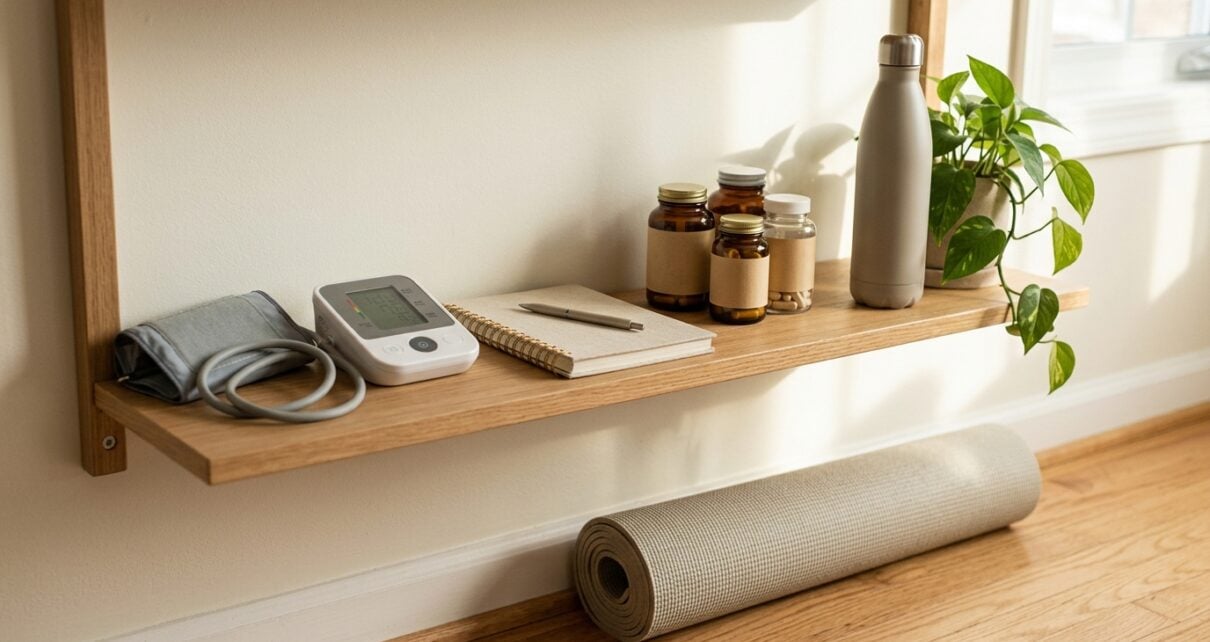
Modern living places continuous demands on our energy, posture, and peace of mind. Between long working hours, screen time, and busy domestic commitments, many people find themselves searching for straightforward ways to unwind and support their physical vitality. Creating a dedicated collection of practical wellness essentials right at home offers a dependable sanctuary where you can recharge without unnecessary friction.
A home wellness toolkit does not need to resemble an expensive clinic or a crowded storage closet. Instead, it works best as an intentional selection of reliable comfort items, calming habits, and dependable information channels. By focusing on what genuinely assists your day-to-day recuperation, you can establish an accessible setup that encourages steady, wholesome living for everyone under your roof.
Assessing What Your Household Truly Needs
Before purchasing items or rearranging your living space, take time to evaluate your genuine lifestyle patterns. Every household experiences physical stress differently. Some family members may struggle with tension in their shoulders from desk work, while others experience stiffness in their lower backs or fatigue from long hours on their feet. Understanding where physical discomfort usually arises helps you invest in solutions that get used regularly.
Consider the mental aspect of your daily environment as well. Modern homes frequently buzz with background noise, bright screens, and clutter that make natural unwinding challenging. Identifying quiet pockets within your house where someone can sit peacefully for a few uninterrupted moments is just as valuable as gathering physical supplies.
Taking a mindful inventory prevents impulse purchases that ultimately end up forgotten in cupboards. Focus on sustainable items that serve multiple purposes, such as versatile massage balls, supportive cushions, or gentle heating pads. When each piece in your space addresses a clear daily requirement, your home naturally becomes a more restorative environment.
Curating Practical Tools for Everyday Body Comfort
Physical comfort at home starts with tools that relieve accumulated muscle tension and encourage relaxation. Simple implements such as firm foam rollers, handheld massage devices, and flexible stretching bands allow you to work out stiff joints at your own pace. These items do not require technical expertise, making them easy to pick up whenever your body feels tired after a demanding afternoon.
Selecting durable and thoughtfully crafted supplies makes a significant difference in how often you utilize them. When seeking well-designed lifestyle products and personal comfort items, exploring collections from Creative Health Cart can help you discover practical essentials that make everyday healthier living feel approachable and uncomplicated.
Pair these physical tools with soothing elements that calm the senses. A compact hot water bottle, an adjustable heating wrap, or an ergonomic neck pillow can transform a standard armchair into an effective rest station. Keeping these items clean, organized, and within easy reach ensures you can address physical stiffness the moment it begins to set in.
Staying Informed with Reliable Health and Care Guidance
A complete home toolkit extends beyond physical objects; it also requires trustworthy knowledge. In an era filled with overwhelming lifestyle advice and rapid medical innovations, knowing where to find clear, balanced perspectives is essential. Having dependable sources on hand helps you understand common wellness questions without succumbing to unnecessary confusion or fear.
As medical technologies and patient care approaches continue to evolve, staying updated allows individuals to make thoughtful choices alongside their personal physicians. Turning to educational platforms like Healthytipshotline.com provides valuable opportunities to learn about modern medical care, preventative considerations, and practical healthcare developments in an accessible format.
Clear knowledge also empowers families to build sensible emergency preparations. Keeping an organized binder or digital folder with essential contact numbers, general first-aid steps, and relevant medication records brings tremendous peace of mind. When sound information accompanies your home supplies, you are far better equipped to manage minor discomforts and recognize when professional medical care is appropriate.
Balancing Restful Spaces with Active Recovery Habits
While passive relaxation is essential for soothing tired muscles, active movement plays an equally vital role in maintaining everyday agility. A successful wellness plan integrates periods of deep rest with varied, low-impact motion that stimulates circulation and prevents joint stiffness. Setting aside a dedicated corner with a clean exercise mat invites spontaneous stretching throughout the day.
To ensure your physical habits remain varied and engaging, it is helpful to incorporate different styles of movement into your week. If you want practical ideas for structuring balanced exercise sessions at home, our guide to mixing strength, cardio, and yoga offers clear strategies for blending muscle building, endurance, and flexibility in a manageable way.
Organizing a dedicated physical recovery station does not require a large room. You can easily keep your space functional and inviting by following a few simple steps:
- Choose a well-ventilated corner away from busy household walkways.
- Store stretching bands, yoga blocks, and rollers in a single compact basket.
- Keep a refillable water bottle and a clean towel nearby for quick hydration.
- Maintain dimmable lighting to easily shift the atmosphere from active exercise to peaceful rest.
Having an inviting recovery corner ready to go reduces the mental hurdle of beginning a session. Even a brief period spent gently moving on a mat can reset your posture and alleviate accumulated daily strain.
Maintaining Consistency Without Clutter or Pressure
The most effective wellness routine is the one you actually enjoy repeating. It is common for people to start with high enthusiasm, only to abandon their plans when the routine feels overly demanding or rigid. Focus on small, comfortable habits that fit naturally into your existing schedule rather than attempting an overwhelming lifestyle overhaul all at once.
Regular maintenance of your toolkit also keeps your environment fresh and inviting. Periodically review your equipment to ensure everything remains clean, functional, and pleasant to use. Discard worn-out items, restock basic first-aid supplies, and put away things that no longer serve your present needs. A tidy, uncluttered environment supports a calm mindset.
Treat your home toolkit as an evolving resource that adapts as your family circumstances change. As personal preferences shift, you can smoothly adjust your supplies and practices to match your current rhythm. Sustainable well-being is not about perfection; it is about building a supportive domestic space that consistently welcomes you back to balance.
Creating an everyday wellness toolkit empowers you to take charge of your comfort and daily vitality right at home. By gathering thoughtful physical tools, seeking out reliable health knowledge, and preserving dedicated space for gentle recovery, you establish a resilient foundation for long-term well-being. Start with a few practical additions today, and enjoy the ongoing benefits of a calmer, more restorative living environment.


